Movement as a Path to Self-Discovery and Healing
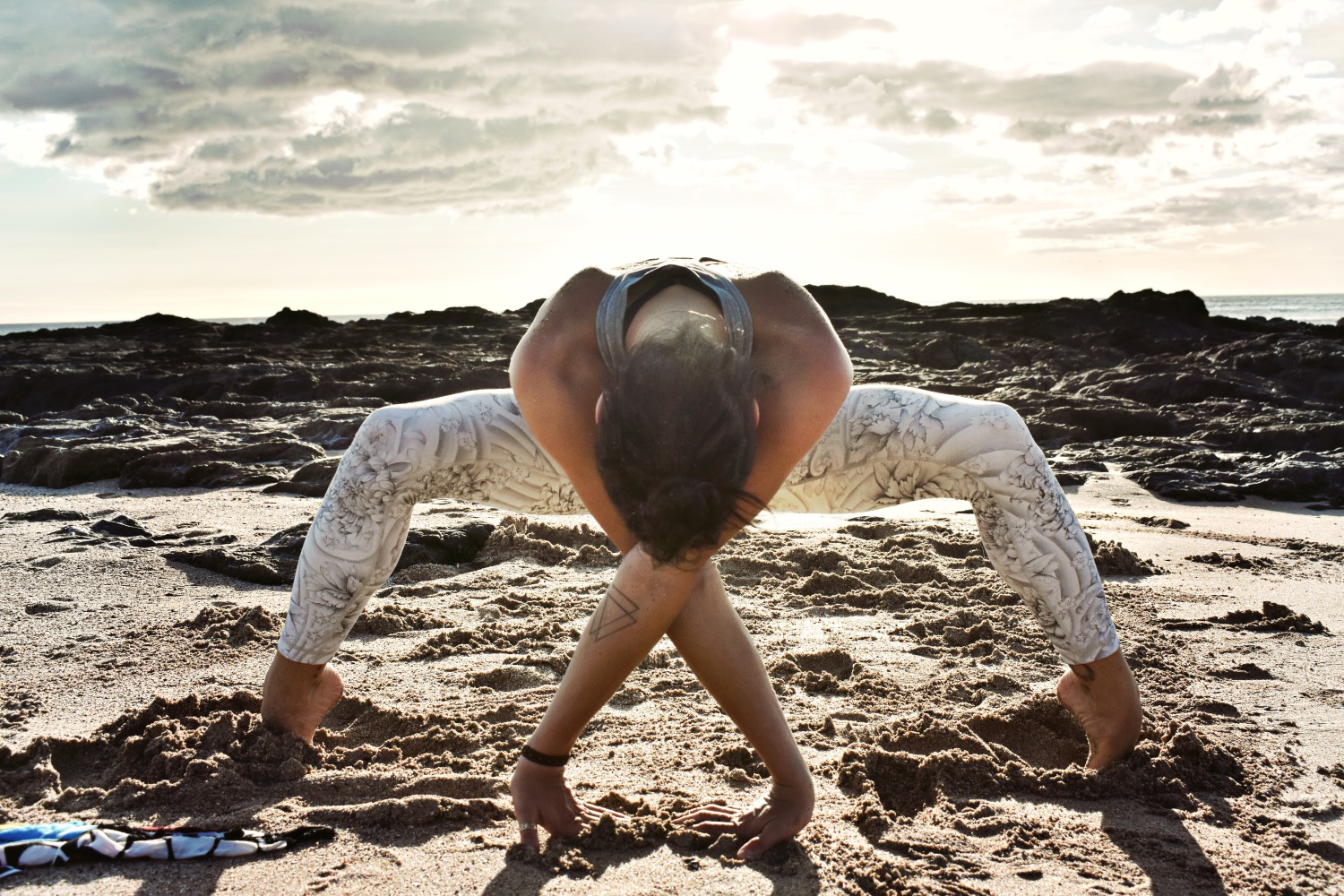
Movement is more than just a physical activity; it is a profound journey that can lead to self-discovery and healing. In a world where stress and anxiety are prevalent, finding ways to connect with our bodies can be transformative. This blog post explores how various forms of movement can facilitate personal growth and emotional healing, offering practical insights and examples to inspire your journey.

Understanding the Connection Between Movement and Well-Being
The Science Behind Movement and Mental Health
Research has shown that physical activity can significantly impact mental health. Engaging in movement releases endorphins, often referred to as "feel-good" hormones, which can enhance mood and reduce feelings of anxiety and depression. According to a study published in the Journal of Clinical Psychiatry, regular physical activity can be as effective as medication for some individuals suffering from depression.
How Movement Affects Our Emotions
Movement allows us to express emotions that may be difficult to articulate verbally. Whether through dance, yoga, or even walking, physical activity can serve as an outlet for feelings of joy, sadness, or frustration. This expression can lead to a deeper understanding of oneself and foster emotional resilience.
Exploring Different Forms of Movement
Dance: A Celebration of Self-Expression
Dance is a powerful form of movement that encourages self-expression and creativity. It allows individuals to connect with their bodies and emotions in a unique way. For example, participating in a dance class can help individuals release pent-up emotions and foster a sense of community.
Benefits of Dance:
- Enhances mood and reduces stress.
- Improves body awareness and confidence.
- Fosters social connections and support.
Yoga: Cultivating Mindfulness and Presence
Yoga combines physical movement with mindfulness, making it an excellent practice for self-discovery and healing. The focus on breath and body awareness helps individuals connect with their inner selves.
Benefits of Yoga:
- Promotes relaxation and reduces anxiety.
- Encourages self-reflection and introspection.
- Improves flexibility and physical health.
Walking: The Simplicity of Movement
Walking is one of the simplest forms of movement yet can be incredibly powerful for self-discovery. Taking a walk in nature can provide clarity and peace, allowing for reflection and contemplation.
Benefits of Walking:
- Boosts mood and reduces stress.
- Encourages creativity and problem-solving.
- Provides an opportunity for mindfulness and connection with nature.
The Role of Community in Movement Practices
Finding Support Through Group Activities
Engaging in movement with others can enhance the healing process. Group activities, such as dance classes or yoga sessions, create a sense of belonging and support. Sharing experiences with others can foster connections and provide encouragement on the journey of self-discovery.
Building a Supportive Environment
Creating a supportive environment is essential for individuals exploring movement as a path to healing. This can include joining local classes, participating in community events, or even forming a group of friends who share similar interests in movement practices.
Personal Stories of Transformation
Case Study: From Anxiety to Empowerment Through Dance
Consider the story of Sarah, a young woman who struggled with anxiety. After joining a local dance class, she discovered a newfound sense of freedom and joy. The movement allowed her to express emotions she had kept bottled up, leading to a significant reduction in her anxiety levels. Sarah's journey illustrates how dance can be a powerful tool for healing and self-discovery.
Case Study: Finding Peace Through Yoga
Another inspiring story is that of Mark, who turned to yoga after experiencing a personal loss. Initially seeking physical benefits, he found that the practice offered him a space for reflection and healing. Through yoga, Mark learned to embrace his emotions and cultivate a sense of peace within himself.
Practical Tips for Incorporating Movement into Your Life
Start Small and Build Gradually
If you're new to movement practices, start small. Incorporate short walks into your daily routine or try a beginner's yoga class. Gradually increase the intensity and duration as you become more comfortable.
Listen to Your Body
Pay attention to how your body feels during movement. It's essential to listen to your body's signals and adjust your practice accordingly. Movement should feel good and nourishing, not forced or painful.
Explore Different Styles
Don't be afraid to try different forms of movement. Explore various dance styles, yoga practices, or outdoor activities to find what resonates with you. The key is to discover what brings you joy and fulfillment.
Conclusion
Movement is a powerful pathway to self-discovery and healing. By engaging in various forms of movement, individuals can connect with their bodies, express emotions, and foster personal growth. Whether through dance, yoga, or simply walking, the journey of movement can lead to profound transformations.
As you embark on your own journey, remember to embrace the process, listen to your body, and seek support from others. Movement is not just about physical activity; it is a celebration of life, a means of connection, and a path to healing. Start today, and discover the transformative power of movement in your life.


Comments